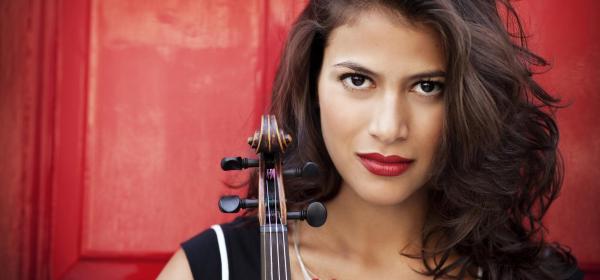
I don’t think there is one definition of success. There is a path to being a musician – being passionate about the music, the instrument, the composers and their works. I think every musician has his or her own way of expressing this passion
Interviews with musicians, composers and conductors
I don’t think there is one definition of success. There is a path to being a musician – being passionate about the music, the instrument, the composers and their works. I think every musician has his or her own way of expressing this passion
With each of my works I hope to express a clear emotional idea and musical point of view. The optimistic vigor and stylistic influences of the 20th-century American symphonic school dominate most of my orchestral and concerto scores
Sometimes the music that I love the most comes the least easily to me, but it’s hard to know if the difficulty is actually to the benefit of the eventual interpretation or just difficulty. However, as long as I feel I can communicate something special through a piece to the audience, I’m happy to keep exploring.
As a performing musician and educator, I define success as having the ability to connect with audiences, irrespective of their backgrounds and experiences, and make classical music relevant to everyone. There is a story behind every composer and work—it is our duty as performers to remind the public that the music we devote so much time in practicing is filled with emotion and life.
Who or what inspired you to take up composing and pursue a career in music? No one especially inspired me to take up music or