Who or what inspired you to pursue a career in music and who or what have been the most important influences on your musical life and career?
In South Africa, choral singing is something we grow up with, it’s woven into daily life. We sing when we’re happy, when we’re sad, at cultural gatherings, at competitions; music has always been a part of our DNA. From the struggle songs of our grandparents to the choruses we sing backstage before performing, I was raised in a culture where music is inseparable from living.
My personal turning point came one day when I was running an errand for my mother. I heard this extraordinary sound coming from a nearby house—something completely new and electrifying. I stood there, mesmerized. A man stepped out, and when I asked, he told me it was opera, Pavarotti singing Granada. That moment changed me forever. Since then, I have pursued opera with the same awe I felt that very first day.
What have been the greatest challenges of your career so far?
The biggest challenge has been access, finding funding to travel, audition, and explore opportunities beyond my immediate environment. Relocating to new places can also be difficult when you don’t yet have a network. But I’ve been fortunate to meet generous friends who have helped point me in the right direction, and each step forward reinforces my belief that persistence always opens doors.
Which performances/recordings are you most proud of?
I am my own toughest critic, I always find something I could have done better. But that also means each performance becomes a source of growth, sparking those “lightbulb moments” in the practice room afterward. So I would say the performance I am most proud of is always the next one. Every step brings me closer to where I want to be, and each stage teaches me something invaluable about my artistry.
Which particular works/composers do you think you perform best?
I feel most at home with Verdi. His music speaks to me both vocally and emotionally, it feels like stepping into a natural space where I can fully express myself.
How do you make your repertoire choices from season to season?
I let the direction of my voice guide me. At the same time, I try to avoid boxing myself into one category or “fach.” I think of my voice as a rainbow, different works demand different shades and combinations of colour. My responsibility as an artist is to develop as many of those colours as possible in a healthy, balanced way, so I can bring flexibility and depth to whatever repertoire I take on.
Do you have a favourite concert venue to perform in and why?
I don’t attach myself to one venue or environment. For me, the magic comes from the people I share the stage with. A concert becomes memorable when there’s kindness, respect, and collaboration in the room. My goal is always to foster that kind of environment, because when colleagues feel comfortable, creativity flows.
What do you do off stage that provides inspiration on stage?
Offstage, I find inspiration in connecting deeply with people and experiences. Relationships, family, and simple human interactions feed my artistry. They remind me of the emotions opera demands, joy, pain, longing, hope. The more fully I live offstage, the more truth I can bring onstage.
What is your most memorable concert experience?
Every performance is memorable in its own way, but the ones that stay with me are those where I feel the audience and I are breathing together, where the energy in the room shifts, and for a moment, everyone is suspended in the music. Those moments remind me why I chose this path.
As a musician, what is your definition of success?
Success is being able to sing on the world’s greatest stages, collaborating with the most brilliant talents, and then going home to share that joy with my family. It’s about balance: growth as an artist, and fulfillment as a human being.
What do you feel needs to be done to grow classical music and opera audiences?
We need to make opera more accessible, especially to younger generations. One way could be curating works that connect with school syllabuses, making opera both fun and educational. Relatability is key, when young people see themselves in the stories and emotions, they’ll be drawn in naturally.
What’s the one thing in the music industry we’re not talking about which you think we should be?
The lack of financial support for classical musicians. Other fields like sports or mainstream entertainment receive enormous backing from governments and private companies, but opera and classical music are often left behind. Addressing this imbalance could transform countless careers and enrich cultural life worldwide.
What advice would you give to young or aspiring musicians?
Follow your heart. Your dream was entrusted to you, not to others, so don’t be discouraged if people don’t see it or support it. Keep working, pray, believe, and never stop refining your craft. That way, when opportunity comes, you’ll be ready to meet it halfway.
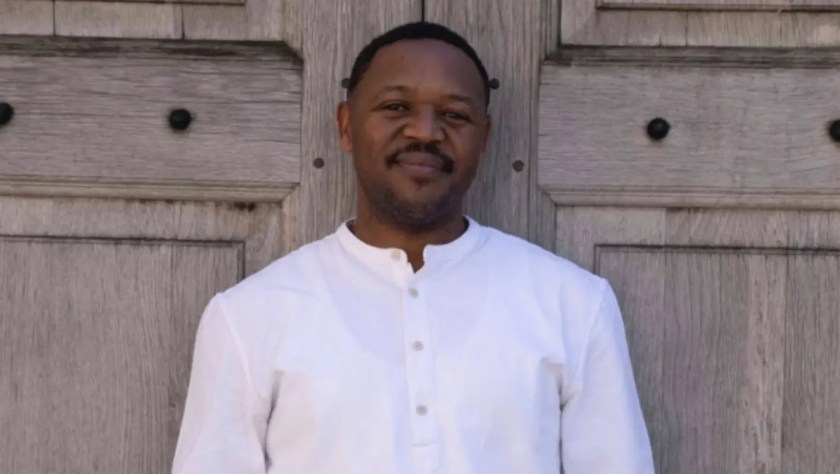
Tamsanqa Tylor Lamani stars as Nemorino in English Touring Opera’s new production of Donizetti’s ‘The Elixir of Love’, which opens on 27 September at London’s Hackney Empire before touring across the country.
Discover more from MEET THE ARTIST
Subscribe to get the latest posts sent to your email.
 MEET THE ARTIST