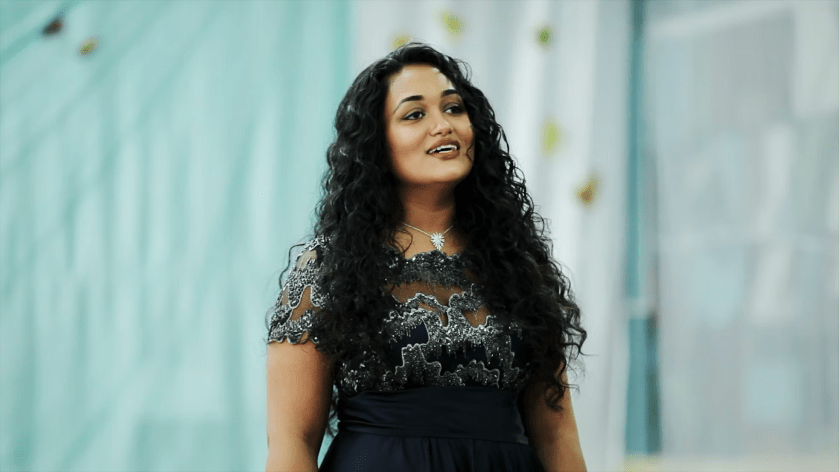
Who or what inspired you to pursue a career in music and who or what have been the most important influences on your musical life and career?
My greatest inspiration to pursue a career in music comes from my mother. She has a deeply artistic soul and a beautiful voice, even though she never pursued music professionally. From a young age, I felt completely at ease and free when expressing myself through playing the piano and singing – my true personality would shine through despite my usual shyness.
Another profound influence in my musical journey has been my first singing teacher and choir conductor, Mr. Stefan Andronic from Moldova. He was, and still is at the age of 85, a stern yet nurturing figure – like the grandfather I never had. From him, I learned discipline, the importance of respecting the music, and singing with heartfelt passion and dedication.
What have been the greatest challenges of your career so far?
The greatest challenges came early in my career when I decided to fully dedicate myself to music. I don’t come from a background where music was a formal part of my upbringing; I originally studied Economics and Finance before realizing it wasn’t my true calling. Auditioning for conservatoire and catching up with peers who had years of formal musical training was daunting. Building a professional network in such a competitive industry also posed a challenge. Thankfully, I was fortunate to meet supportive musicians who introduced me to the right people, creating a domino effect of opportunities that helped me overcome these initial hurdles.
Which performances or recordings are you most proud of?
I’m especially proud of my performance and recording of Vicente Lusitano’s motets. Lusitano was one of the earliest known Black composers in European classical music history. With Chineke!Voices, we had the honour of reviving his motets and presenting them to modern audiences on a small UK tour. Although the recording hasn’t been released yet, we gave a remarkable live performance at St Martin-in-the-Fields. I’m also proud of contributing to the album Songs for Our Times, which features two song cycles, Kingdoms and Metropolis. The six songs I performed from Metropolis capture modern life in a way that resonates deeply with both traditional and new audiences.
Which particular works or composers do you think you perform best?
During my studies at the Royal Academy of Music, I explored a variety of repertoire but found a strong affinity for Baroque music. I frequently collaborated with the Historical Performance department, performing Baroque works and participating in the Bach cantata series. Handel, in particular, has become my favourite composer – his coloratura passages feel natural in my voice, and his melodies remain timeless. I also enjoy reviving lesser-known Baroque cantatas, both sacred and secular. Additionally, I love singing French and Italian songs, thanks to my passion for Romance languages.
How do you make your repertoire choices from season to season?
As a freelance musician in London, much of my repertoire is shaped by upcoming engagements – learning oratorios, masses, Baroque arias, or Renaissance music for concerts or recording projects. Between these, I make a point to explore operatic roles that I once thought were beyond my reach, focusing on pieces that will suit my voice in the next three to five years. This balance allows me to stay versatile while planning for long-term vocal growth.
Do you have a favourite concert venue to perform in and why?
The Barbican is my favourite venue to perform in. I love it because of the familiarity I’ve developed through performing there in a wide range of styles – from symphonic film music with amplified choir singing in a cinematic style to major choral works like Beethoven’s Ninth Symphony and Christmas carols. The Barbican’s stage accommodates such diverse musical expressions, and I feel incredibly fortunate to have been part of so many varied performances there.
What do you do off stage that provides inspiration on stage?
Like many soprano divas, I enjoy shopping for clothing and accessories that sometimes inspire my interpretation of roles. It can become quite expensive! More importantly, I have a passion for dance – especially Brazilian Samba, which I’ve been practicing for four years. This dance, rich in history and energy, not only helps release tension and build stamina but also enhances my confidence, posture, and stage presence. Samba has been invaluable for my physical and artistic development.
What is your most memorable concert experience?
My most memorable concert experience was the final of the Handel Singing Competition in 2024, where I won second prize and the audience prize. It was especially poignant because I had been seriously ill just the week before, requiring emergency surgery and a hospital stay. There was a real risk I would have to withdraw, but I was discharged the day before rehearsal and performed less than 48 hours after general anesthesia. That experience made me realize the incredible resilience of the body and spirit when fueled by passion and determination.
As a musician, what is your definition of success?
Success, to me, means continual growth and mastery of my craft, coupled with fair recognition and compensation. It’s also about breaking through personal barriers and limiting beliefs. True success comes to those who deeply believe in their mission and the unique value they bring to the world through their art.
What do you feel needs to be done to grow classical music’s audiences?
To grow classical audiences, I believe we need to humanize the composers and share their stories in ways that resonate with today’s audiences – highlighting the drama and emotion behind the music. Additionally, demystifying concerts that can seem formal or intimidating by creating more casual formats, including performer introductions, can make classical music more accessible. Cross-genre collaborations, such as blending classical with jazz or world music, could also attract a broader, more diverse audience.
What’s the one thing in the music industry we’re not talking about which you think we should be?
Mental health is a critical issue that often goes unspoken in the music industry. The culture is highly perfectionistic and competitive, placing intense pressure on musicians to be flawless. Many of us work alone much of the time and lack the support networks common in other professions. Coupled with unstable incomes and job insecurity, this makes mental health support essential. I believe music institutions and musicians’ unions should address mental health more proactively.
What advice would you give to young or aspiring musicians?
Coming from a non-traditional background for a classical musician, my advice is that it’s never too late to pursue your passion and inspire others. It won’t be easy, but if you have strength and belief in your unique voice and mission, you will find people willing to support you. However, it’s vital not to rely solely on talent – hard work and perseverance are just as crucial.
What is your present state of mind?
I feel grateful and fortunate to be able to bring joy to people through my art. I believe I am honoring my ancestors by forging my own path and making a meaningful contribution through music.
Isabelle Haile gives the world premiere performance of Metropolis, a song cycle by British composer Bernard Hughes, at a free lunchtime concert on Tuesday 24 June at St Bride’s church, Fleet Street, London EC4. She will be accompanied by pianist Asako Ogawa. The programme also includes music by Poulenc. Find out more here
Discover more from MEET THE ARTIST
Subscribe to get the latest posts sent to your email.
 MEET THE ARTIST