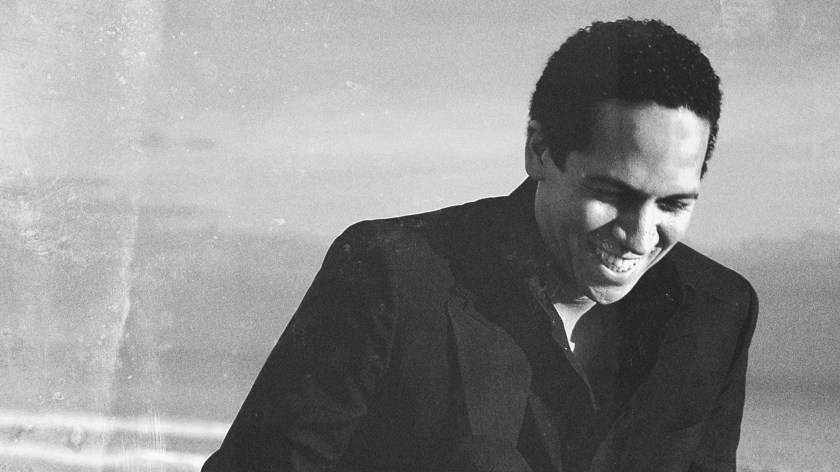
Who or what inspired you to pursue a career in music?
When I was a child, the South African trumpeter Hugh Masekela would stay with my family when he was on tour or playing in London. This was in the 1980s when South Africa was under the apartheid regime. At dinner I’d sit and listen as my father and Hugh would discuss ways to bring democracy to South Africa and the sadness they felt for being forced in to exile. Later, I would go to bed hearing my father (who also played the piano) and his old school friend Hugh, playing music together late in to the night. I could hear as I slowly fell to sleep, the joy and comfort that music brought to both of them. I knew from an early age that I wanted devote my life to music and hoped that it would bring me the joy and comfort that it brought my father and his friend – and it has!
Who or what have been the most significant influences on your musical life and career?
My grandmother started the Aldebugh Festival with Benjamen Britten. I grew up enchanted by Britten’s music. I loved particularly how Britten could integrate so many foreign influences in to his work. The way Balinese Gamelan music inspired his music for the ballet, The Prince of Pagodas, showed me what could be achieved by mixing musical genres and approaches.
What have been the greatest challenges of your career so far?
Moving between the worlds of performing, recording, composing, presenting and my education work means I have a lot of plates to spin! Shifting between plates in a single day can me quite the mind-scramble! This year I found myself work on two projects at the same time: a piece for the ABRSM Piano Grade 2 exam and a symphonic work for the BBC Symphony Orchestra. My mornings were spent trying to find elegant ways to keep a Grade 2 piece simple, but effective and my evenings were spent arranging for the 120 musicians that make up the BBC Symphony Orchestra!.
Of which performances/recordings are you most proud?
What do you do offstage that provides inspiration on stage?
I try to bring my everyday experiences in to every fibre of my music. I am inspired to write by conversations I’ve add, from observations that I’ve read in books or from the simple joy of playing with my three children.
As a musician, what is your definition of success?
My definition of success is to balance the holy trinity of musicianship. I feel to be a rounded musician, I need to constantly be part performer, part composer and part audience. I achieve the audience part through my work in education.
What advice would you give to young or aspiring musicians?
Create a portfolio career as soon as possible. Try not to specialise so much that you miss all the golden opportunities music can bring in life. Keep curious about music. Try and listen to a new piece of music each day and draw on the past as well as the present.
What’s the one thing we’re not talking about in the music industry which you really feel we should be?
Diversity in music is really important to me. I don’t want to miss the possibility of hearing extraordinary music because we didn’t encourage it to grow.
What is your idea of perfect happiness?
To spend every day with my beautiful family and continue to uncover the endless secrets of music.
Pete Letanka performs at this year’s Hatfield House Chamber Music Festival which takes place between 9 and 12 October. Find out more
Discover more from MEET THE ARTIST
Subscribe to get the latest posts sent to your email.
 MEET THE ARTIST