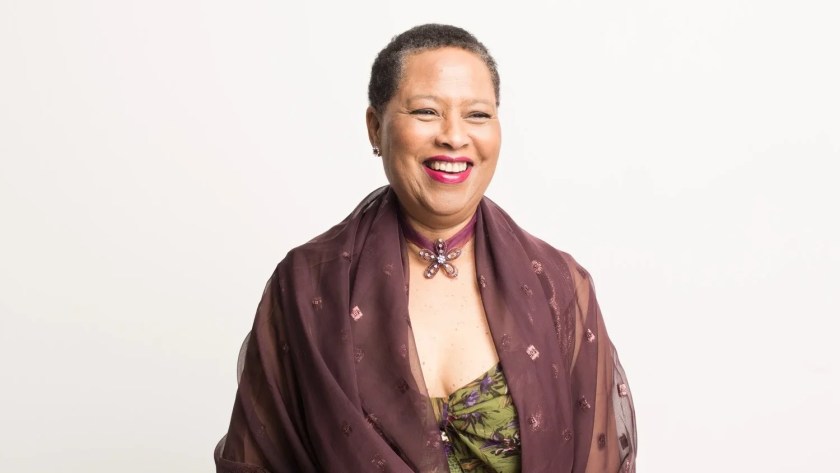
Who or what are the most significant influences on your musical life and career as a composer?
At the age of 5, having heard classical music on the radio and students at my mother’s school having their piano lessons, I asked my parents if I too could learn the piano. After I started piano lessons my decision was to become a concert pianist but a few years later without any apparent reason I began writing music.
My first great influence for composing was Béla Bartók. Later came Stravinsky, Prokofiev, Messiaen, Schoenberg, Birtwistle and surprisingly late – J S Bach. I was also immersed as a member of the Jamaican Folk singers in the songs of my Jamaican heritage and Contemporary dance subsequently joined my big passions, especially while working with the late Sir Robert Cohan.
What have been the greatest challenges of your career so far?
Two things: issues of race and gender in as much as they have defined me in the minds of others.
Number two; not having had what is considered a thorough and proper university education as a composer.
What are the special challenges/pleasures of working on a commissioned piece?
Deadlines; they are as energising as they are terrifying.
What are the special challenges/pleasures of working with particular musicians, singers, ensembles or orchestras?
Finding out and knowing about the special strengths of particular soloists or groups is most helpful and rewarding. I found that working with, for instance, Alim Beisembayev whilst writing my piano concerto and Mary Plazas whilst writing my opera were both big influences on what emerged. Ditto writing my first violin concerto for my husband, Thomas Bowes.
Of which works are you most proud?
‘Snow White and the Seven Dwarves’ based on Roald Dahl’s Revolting Rhyme, as it was my first piece for a massively sized orchestra. Far from being intimidated I felt instantly at home.
My String Quartets I can now look back on with great pride. I’ve managed four quite substantial pieces I feel, and that they are all very different from each other pleases me especially now that the first three have been recorded.
The Opera ‘Letters of a Love Betrayed’ because it so clearly moved people when they heard it.
I was also proud of ‘Arise, Athena!’ which I wrote for the last night of the BBC Proms in 2015. The Piano Concerto for Alim with the Royal Liverpool Philharmonic and Domingo Hindoyan felt especially rewarding with Beisembayev pulling out all the stops in his magnificent performance. Most recently, my Second Symphony, although scored somewhat minimally – a line-up that Hadyn would have recognised, was a great event, brought to life so spiritedly and expertly by the Academy of St. Martin in the Fields in 2026.
How would you characterise your compositional language?
My language ranges from sounds clearly derived from my Jamaican childhood and heritage through to the sort of music people more often associate with modernism. There always seems to be a sliding scale of the proportions of these two apparent extremities. This has been a problem for some people – even me – at times. But I’m now quite relaxed about it. I write to be me.
How do you work?
I have procedures which I follow but the rest can be quite mysterious – even to me at times.
As a musician, what is your definition of success?
Sensing an audience has been moved or thrilled, or that for them time has stood still during a performance. All three at once is good.
What advice would you give to young/aspiring composers?
Be serious about what you are doing – but have fun. Be persistent, dedicated, disciplined and passionate. Be yourself – that’s the tricky bit.
What do you feel needs to be done to grow classical music’s audiences?
I think that as many children as possible should encounter classical music – just as it is. Not dressed up to be popular or trendy but allowed to communicate through great composers and artists. This was what drew me to classical music as a child and I would love the same for children now. They deserve nothing less. Please let us keep and increase classical music in schools.
What’s the one thing in the music industry we’re not talking about but you think we should be?
I would like us to be a little less fixated on stardom.
What next – where would you like to be in 10 years?
Writing music that people want to hear.
What do you enjoy doing most?
Being amongst nature and listening to her. Particularly lovely if there is running water.
Thomas Bowes’ album with Sinfonia Arcadiana of Elgar’s Violin Concerto and five of his celebrated miniatures in new arrangements by Eleanor Alberga is out on the Rubicon label on 25 September. Find out more here
(Image credit: Benjamin Ealovega)
Discover more from MEET THE ARTIST
Subscribe to get the latest posts sent to your email.

