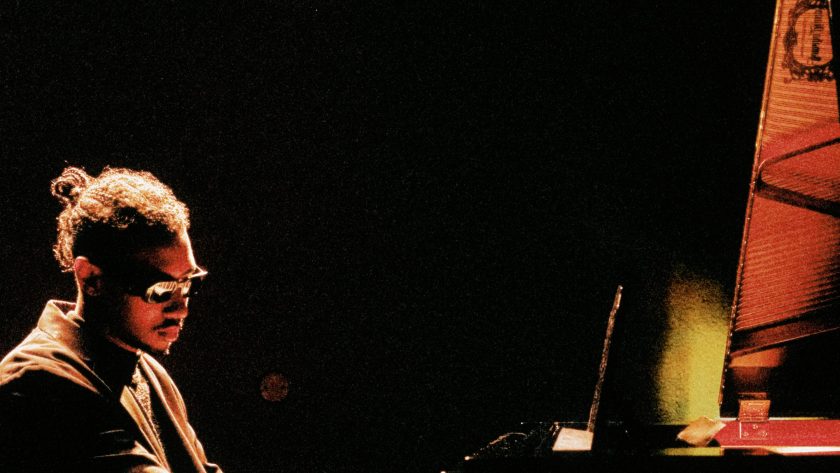
Who or what inspired you to pursue a career in music?
I’ve always felt drawn to music from a young age. Growing up, I was inspired in the first place by my father – a pianist and composer – who showed me how powerful music can be in expressing emotions and connecting people. Over time, I realized that creating and performing music was not just a passion but also the best way for me to share my own stories. That combination of inspiration and personal expression is what really pushed me to pursue a career in music.
Who or what have been the most important influences on your musical life and career?
So far, the most important influences on my musical life and career have been composer Michael Nyman and the Esbjörn Svensson Trio.
What have been the greatest challenges of your career so far?
The transition from being a classical instrumentalist to becoming a music producer was my greatest and most difficult challenge. I struggled a lot with holding back in my approach. I always had the tendency to do too much, whereas the real beauty of music production lies in simplicity.
Of what in your career so far are you most proud ?
I’m also most proud of my transition from being a hip-hop music producer to becoming a classical composer. It’s been a journey of growth, reinvention, and dedication to my craft. Another milestone I take pride in is being signed to a classical label, which validated my work and opened new opportunities to share my music with the world.
How would you characterise your compositional language/musical style?
My compositional language is rooted in classical tradition but shaped by a contemporary sensibility. I’m drawn to clear structures, lyrical melodies, and rich harmonic colours, while also exploring rhythmic vitality and textural layering. I aim to balance emotional immediacy with formal refinement, creating music that feels both expressive and architectural. While my earlier background influences my sense of rhythm and texture, my current focus is on developing a distinctly classical voice that speaks to both performers and audiences today.
When you are composing, how do you work?
I usually begin with a small idea, a motif, a harmonic progression, or sometimes just a particular sound world I want to explore. From there, I sketch freely, often at the piano, before shaping the material into a clearer structure. I like to balance intuition with discipline: first letting ideas flow without judgment, then refining them through careful editing and orchestration. I also spend a lot of time imagining the performer’s perspective, how the music feels to play, and how it communicates in the concert hall. For me, composing is a process of gradually uncovering the essence of the piece until it feels inevitable.
Do you have a favourite concert venue to perform in and why?
Yes, the Berlin Philharmonie is my favourite concert venue. Its architecture and acoustics create a uniquely immersive experience, both for performers and audiences. The hall’s clarity allows every detail of the music to be heard, yet it also has a warmth that enhances the emotional impact of a performance. There’s also a powerful sense of history and prestige in performing there, knowing so many legendary artists have shared that stage.
As a musician, what is your definition of success?
For me, success as a musician is less about recognition or awards and more about creating music that resonates with people. It means being able to express myself authentically, to keep growing artistically, and to touch listeners in a meaningful way. Success is also about longevity building a body of work that continues to inspire, while staying true to my own artistic voice.
What do you consider to be the most important ideas and advice to impart to aspiring musicians?
Stay true to your artistic voice while remaining open to learning and growth. Dedication and consistency matter more than overnight success, so treat your craft with patience. Listen widely, not just within your genre and always stay curious. Surround yourself with people who inspire and challenge you, and don’t be afraid of failure; every setback is part of the process. Above all, remember why you chose music in the first place: the passion and joy of creating and sharing something deeply human.
What is the most important issue we should be talking about in classical music that is not being addressed?
One of the most important issues in classical music that still isn’t being fully addressed is equal representation. Too often, programming and opportunities do not reflect the diversity of the communities we live in. This includes giving space to composers from underrepresented backgrounds, supporting performers from different cultures, and making classical music accessible to wider audiences. Expanding representation isn’t just about fairness, it’s about enriching the art form itself, bringing in new perspectives, sounds, and stories that keep classical music alive and relevant today.
Where would you like to be in 10 years’ time?
In ten years, I would love to be living in Corsica with my son, teaching him the violin, or whichever instrument he chooses, while continuing to compose music that I truly love. My hope is to balance family life with creativity, sharing music both at home and with the wider world.
What is your idea of perfect happiness?
Perfect happiness, for me, is the harmony between creation and love, the quiet of a room where music takes shape, and the warmth of family close by. It is the freedom to compose without constraint, to share sound as something living and human, and to feel that life itself is in rhythm with music.
What is your most treasured possession?
My most treasured possession isn’t something material, but the people closest to me, my son, my parents, and my friends. They are the source of love, support, and inspiration that gives meaning to everything I do.
What is your present state of mind?
One of gratitude and focus. I feel thankful for the people and opportunities in my life, and I’m centred on continuing to grow as a composer while staying true to what matters most: family, music, and authenticity.
Braths (Thomas Horeczko) releases his debut album ‘Ephemeral Memory’ on 29 August on the Sony Music label
(Artist image by Roberto Brundo)
Discover more from MEET THE ARTIST
Subscribe to get the latest posts sent to your email.
 MEET THE ARTIST